
Critical Roofing Contractor Warning Signs Homeowners Miss
Choosing a reliable roofing contractor is a key step in protecting a home, since roofing impacts safety, efficiency, and long-term costs, and the process should never be rushed. Many homeowners wait until damage appears, which can lead to quick decisions that miss important warning signs. While price is often the main focus, it does not reflect overall quality, as a dependable contractor should demonstrate clear communication, proper licensing, transparent contracts, and strong safety standards. Careful evaluation is essential to avoid costly mistakes and ensure long-term performance from a contractor.
Identifying Poor Communication Warning Screening
Communication issues are often the earliest sign that a contractor may not be the right fit. Missed calls, delayed replies, or vague explanations can indicate poor organization or lack of accountability. A reliable contractor should clearly explain timelines, scope, and expectations without confusion or hesitation.
Many homeowners assume communication will improve once work begins, but that is rarely the case. If a contractor is difficult to reach during the estimate phase, those same issues usually continue during installation. This can lead to delays, misunderstandings, and frustration when quick decisions are needed.
Written documentation is another important factor. Estimates, schedules, and project details should always be provided in writing rather than left to verbal agreements. Without this structure, misunderstandings become more likely, especially when project conditions change.
A roofing contractor who communicates clearly from the start is generally more organized throughout the entire project. Communication is not just a courtesy; it is a core part of ensuring accurate execution and predictable results.
Checking Licensing and Insurance Verifying
Licensing and insurance are essential when evaluating a contractor. A valid license confirms that the contractor meets local regulations and understands required building standards. Without it, there is no clear proof of professional qualification or compliance.
If a roofing contractor hesitates to provide licensing details, it should be treated as a serious concern. Proper credentials should be easy to verify and readily available. Anything less raises questions about legitimacy and accountability.
Insurance is equally important because roofing work involves physical risk. A qualified contractor should carry both general liability insurance and worker coverage. Without these protections, homeowners could be exposed to financial responsibility if accidents occur during the project.
Expired licenses are another overlooked issue. Some homeowners assume credentials remain valid indefinitely, but licenses require renewal and ongoing compliance. A contractor operating with outdated certification may not be aligned with current safety codes or industry standards, increasing risk during installation or repair work.
Evaluating Contracting Practices Considering
Contract clarity is one of the strongest indicators of a professional contractor. A written estimate should always be provided before work begins, outlining materials, labor, and expected timelines. Without clear documentation, unexpected costs can appear once the project is underway.
High-pressure sales tactics are another warning sign. If a contractor pushes for immediate approval or creates unnecessary urgency, it may indicate poor planning or weak demand. Homeowners should always be given time to review details and ask questions.
Payment terms should also be clearly defined. A reliable contractor will outline deposits, progress payments, and final balances in writing. Ambiguous financial arrangements often lead to disputes, especially if project scope changes during installation.
Flexibility during the planning phase is another positive indicator. A professional roofing contractor will explain options and adjust proposals based on homeowner needs rather than forcing a single approach. That willingness to collaborate often reflects stronger long-term service quality.
Assessing Reputation Checking
A roofing contractor’s reputation provides important insight into consistency, reliability, and overall service quality through online reviews, project photos, and customer feedback. Limited or missing online presence can make it difficult to verify experience, while repeated complaints about delays, poor workmanship, or communication issues often point to deeper operational problems.
A reputable contractor should also be willing to provide references and examples of past completed work to support their credibility. This helps confirm both workmanship quality and customer satisfaction before any agreement is made.
According to the National Roofing Contractors Association, about 40% of reroofing professionals saw higher customer inquiries in the second quarter of 2025 compared to the same period the year before, reflecting sustained demand for roof replacements and exterior improvement services.
Inspecting Safety Practices Monitoring
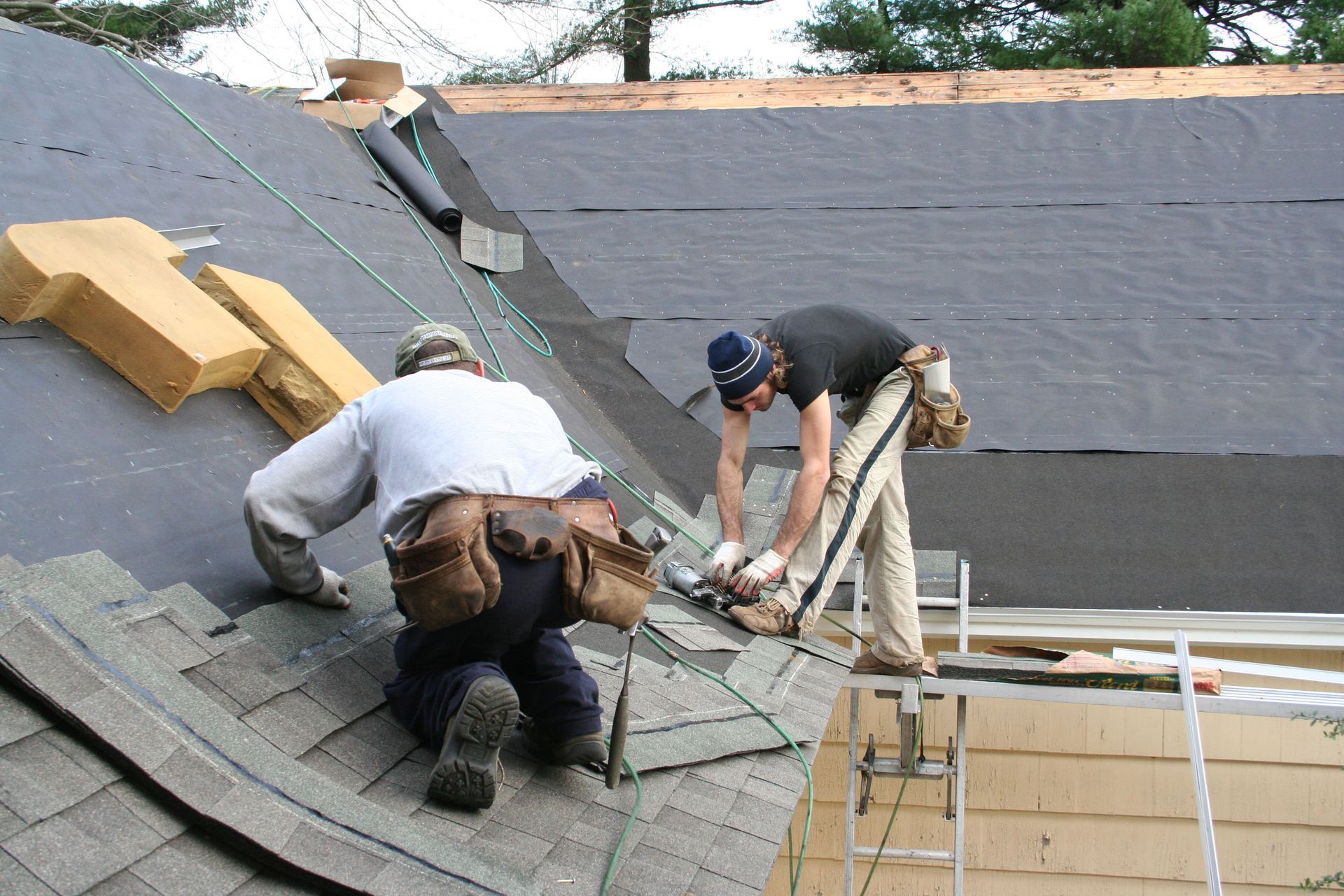
Safety is a critical part of evaluating a contractor, even though it is often overlooked by homeowners. Roofing work involves height, heavy materials, and unpredictable conditions, making proper safety procedures essential. Equipment use and job site organization reflect overall professionalism.
A roofing contractor who avoids discussing safety protocols may not prioritize compliance. Homeowners should expect clear explanations of how risks are managed and what procedures are in place to protect both workers and property.
Safety records also matter. A responsible contractor tracks incidents and follows established safety standards to reduce risk. Lack of documentation or repeated safety issues can indicate deeper operational weaknesses.
Frequent accidents or inconsistent safety practices are strong warning signs. Even minor issues can signal larger problems in training or oversight. A contractor with strong safety discipline is more likely to deliver smoother, more controlled project execution.
Examining Material Quality Selecting
Material quality directly impacts the durability and performance of a roof. A trustworthy roofing contractor will clearly explain available material options and how they perform under different environmental conditions. Limited discussion about materials may suggest cost-cutting or reduced quality standards.
Manufacturer specifications are another important factor. A contractor should be able to explain product ratings, expected lifespan, and performance characteristics. Without this information, homeowners cannot fully evaluate what is being installed.
Warranties are also essential. A reliable contractor typically provides warranty coverage that reflects both materials and workmanship. The absence of clear warranty terms may indicate uncertainty about product quality or installation standards.
Transparency in material selection allows homeowners to make informed decisions rather than relying solely on contractor recommendations. A roofing contractor who prioritizes clarity in this area is more likely to deliver long-term durability and fewer future repairs.
Filtering Overall Red Flags Recognizing
When evaluating a contractor, it is often the combination of smaller issues that reveals larger concerns. Communication gaps, unclear contracts, and inconsistent responses may not seem critical individually, but together they form a pattern worth paying attention to.
Comparing multiple contractors helps highlight differences in professionalism. A reliable contractor will respond consistently, provide documentation quickly, and maintain clear explanations throughout the process. Inconsistent answers or shifting details often indicate unreliability.
Attention to detail is another strong indicator. A professional contractor will carefully review project requirements, ask relevant questions, and avoid rushing estimates. This level of care often translates into more accurate planning and smoother execution.
Recognizing these patterns early helps homeowners avoid unnecessary stress and financial risk. A roofing contractor should provide confidence from the first interaction, not uncertainty or confusion.
Selecting the right contractor requires careful evaluation of communication, licensing, contracts, reputation, safety practices, and material quality. Each factor plays a role in determining the reliability and long-term success of a roofing project. Overlooking any of these areas can lead to preventable issues and added costs.
As demand for roofing services continues to grow, taking the time to properly evaluate each contractor is more important than ever. Clear communication, verified credentials, strong safety practices, and transparent pricing remain the most reliable indicators of professional service quality.
A well-qualified roofing contractor should make every stage of the process feel organized, predictable, and straightforward from initial consultation through project completion. When these standards are met, homeowners are far more likely to avoid costly mistakes and achieve long-term roofing performance. For dependable service and trusted results, contact Exterior Plus.


Share On: