August 28, 2026
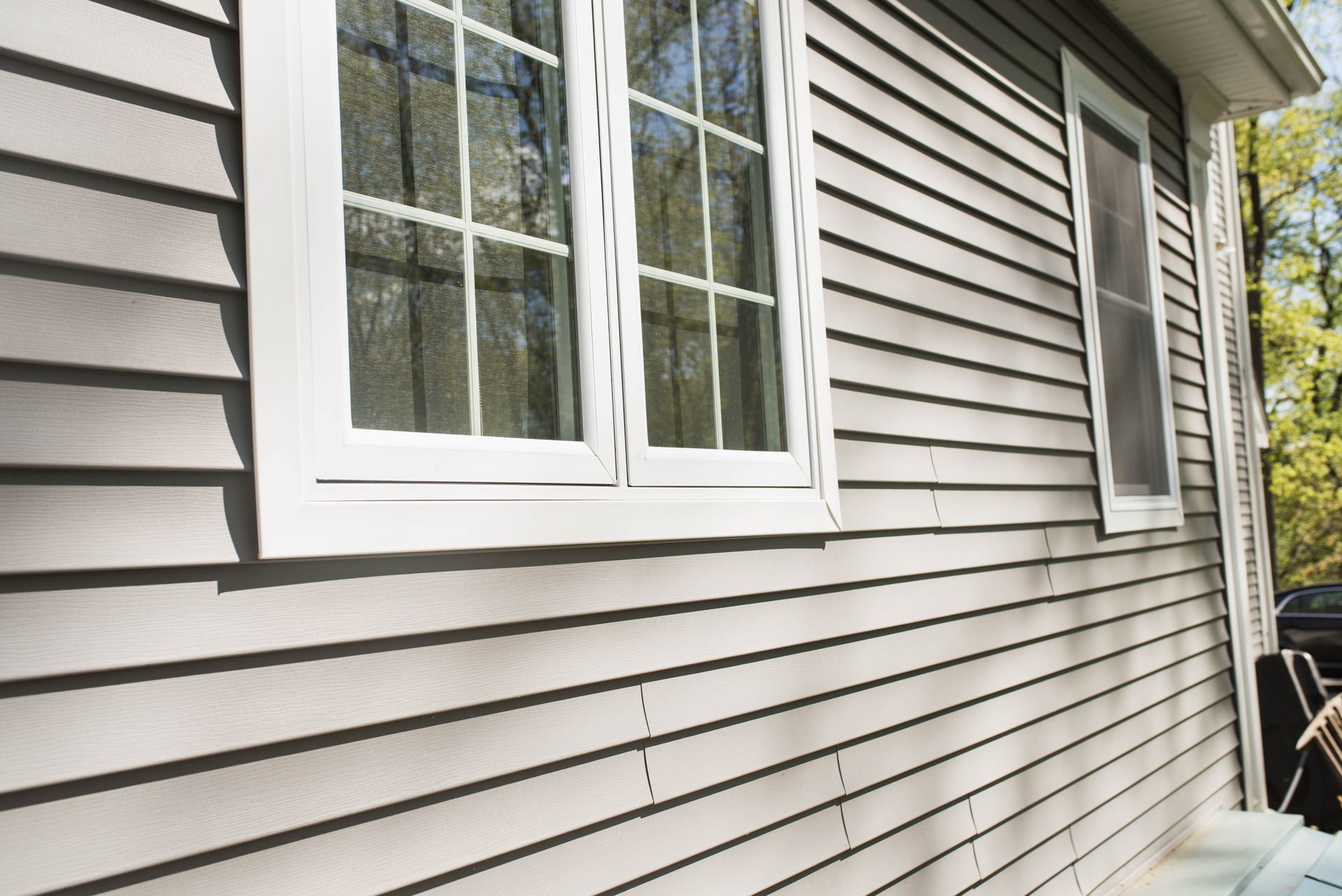
The exterior of a home does more than create a first impression because it also serves as an important barrier between indoor living spaces and changing outdoor conditions. Residential siding can help protect the structure from wind, moisture, sunlight, and temperature fluctuations while contributing to the overall appearance of the property. When siding is damaged, poorly installed, or no longer performing as intended, homeowners may notice drafts, moisture concerns, or reduced comfort indoors. Choosing the right material and design can support a more controlled indoor environment throughout the year. Modern siding options are available in a variety of styles and materials to meet different performance and aesthetic needs. Working with experienced siding contractors can help homeowners understand which options are suitable for their property's design and local conditions. A carefully planned siding project can improve protection around the home while complementing other exterior features. By understanding how siding contributes to energy efficiency and comfort, homeowners can make more informed decisions about maintaining and improving their properties.
Creating a Stronger Thermal Barrier
Residential siding can contribute to a home's overall ability to manage heat transfer between the interior and exterior. While siding alone does not replace proper insulation, it works alongside other building materials to protect the home's outer structure. Some siding systems are designed with additional insulating features that can help reduce thermal bridging and improve overall wall performance. When the exterior barrier is in good condition, the heating and cooling system may not have to compensate as heavily for unwanted temperature changes. Siding contractors can evaluate the condition of the existing exterior and identify areas where replacement or upgrades may provide practical benefits. Proper installation is equally important because gaps and poorly fitted materials can reduce the effectiveness of the entire system. Homeowners can also consider how siding choices will work with insulation, house wrap, and other protective layers. Together, these components can create a more effective exterior envelope that supports consistent indoor comfort.
Reducing Unwanted Air Movement
Air leaks can make a home feel less comfortable and may place additional demands on heating and cooling equipment. Although windows, doors, and other openings are common sources of air leakage, the condition of exterior walls can also affect how well the home is protected. Damaged siding or deteriorating materials may allow moisture and air to reach areas where they can create additional concerns. During an exterior renovation, siding contractors can inspect the surrounding structure and address visible issues before new materials are installed. A properly completed project can help create a more continuous protective layer around the home. Attention to seams, transitions, and other connection points is important for supporting better performance. Homeowners may also have an opportunity to improve insulation or weather-resistant barriers during a siding replacement project. By reducing unwanted pathways for outside air, a well-maintained exterior can help the indoor environment feel more stable.
Maintaining More Consistent Temperatures
A comfortable home depends on more than the temperature shown on a thermostat. Uneven conditions between rooms can make certain areas feel too warm, too cool, or difficult to enjoy during particular seasons. A strong exterior system can support the efforts of insulation and HVAC equipment by reducing exposure to outdoor temperature changes. This may be especially important for walls that receive intense sunlight or are frequently exposed to strong winds. The guidance of siding contractors can help homeowners choose materials that provide appropriate protection for their home's location and construction. Selecting the right product also involves considering how it will perform throughout changing weather conditions. Proper installation helps ensure that the siding system functions as a connected layer rather than a collection of separate panels. When the exterior is designed and maintained effectively, indoor spaces can become more comfortable from one room to another.
Improving Resistance to Changing Weather
Weather exposure is one of the most important factors to consider when selecting new siding. Rain, wind, humidity, sunlight, and changing temperatures can gradually affect exterior materials over time. A durable siding system can help protect the underlying structure by serving as part of the home's first line of defense against these conditions. According to The Farnsworth Group, weather resistance was identified by 49% of respondents as one of their three most important considerations when choosing a residential siding brand. This finding reflects the strong emphasis homeowners place on selecting materials that can perform under changing outdoor conditions. Different siding products offer varying levels of resistance, so it is important to compare options carefully. Homeowners can consult siding contractors to better understand which materials are appropriate for their climate and property requirements. Choosing an exterior system with weather performance in mind can help support both long-term protection and a more comfortable home.
Supporting More Efficient HVAC Performance
Heating and cooling systems work hard to maintain comfortable indoor temperatures, particularly when outdoor conditions become extreme. If the home's exterior envelope is not performing effectively, conditioned air can be affected by heat gain, heat loss, and unwanted air movement. Maintaining the siding and related exterior components can support a more controlled environment around the structure. This may allow the HVAC system to operate under more favorable conditions rather than constantly responding to changing temperatures. A siding replacement project can also provide an opportunity to inspect areas that may otherwise remain hidden behind the exterior materials. Siding contractors may identify visible signs of water damage, gaps, or deterioration that should be addressed as part of the project. Correcting these concerns can help protect the home while supporting the performance of other systems. A well-maintained exterior therefore plays an important role in the broader effort to improve household energy efficiency.
Protecting Against Moisture Concerns
Moisture can create serious problems when it enters areas of a home that are not designed to handle prolonged exposure. Over time, water intrusion may contribute to mold growth, and other structural concerns. Residential siding helps direct water away from the underlying wall system when it is properly installed and maintained. The condition of flashing, seams, trim, and weather-resistant barriers can also influence how effectively the exterior handles moisture. Homeowners working with siding contractors can address damaged or aging components before they become larger problems. Replacing deteriorated siding may also create an opportunity to inspect the wall assembly for signs of hidden issues. Selecting materials suited to local weather conditions can provide additional protection against repeated exposure to rain and humidity. By helping manage moisture effectively, a quality siding system can contribute to a healthier and more durable home environment.
Enhancing Everyday Indoor Comfort
Comfort inside the home is influenced by temperature, humidity, drafts, and the overall condition of the building envelope. Residential siding can support these factors by providing a protective layer that works with insulation and other exterior components. When the outside of the home is properly maintained, homeowners may experience fewer issues related to weather exposure and deteriorating materials. Modern siding options also allow property owners to improve functionality without sacrificing visual appeal. With help from siding contractors, homeowners can compare styles, materials, and installation methods before making a final decision. This planning process can make it easier to select an option that supports both practical needs and long-term design goals. Improvements to the exterior can also create a more polished appearance that enhances the enjoyment of the property. A comfortable home begins with several connected systems working together, and quality siding can play an important role in that larger picture.
Investing in Long-Term Home Performance
Replacing or upgrading siding is an opportunity to improve more than the appearance of a home. The project can address aging materials while supporting better weather protection, energy performance, and indoor comfort. Homeowners should consider the expected maintenance requirements and durability of each material before making a decision. The quality of installation is equally important because even a durable product must be properly fitted to perform as intended. Professional siding contractors can help homeowners evaluate their options and understand the steps involved in preparing the exterior for a successful installation. Planning ahead can also make it easier to coordinate siding improvements with insulation upgrades, trim replacement, or other exterior projects.
Your home's exterior should provide more than curb appeal; it should help protect your investment and support everyday comfort. Contact Exterior Plus today to learn how the right residential siding solution can improve your home's appearance, weather protection, and overall energy efficiency.