
The Best Materials for Craftsman, Modern, and Colonial Houses
The materials used to build a home influence far more than its appearance. They affect durability, energy efficiency, maintenance requirements, and long-term value. Different architectural styles also rely on specific materials to achieve their distinctive look and structural performance. Craftsman homes emphasize natural textures, Modern homes favor sleek, innovative materials, and Colonial homes showcase timeless, traditional construction. Understanding the strengths and limitations of each option helps homeowners and builders choose materials that complement the home's design while meeting practical needs.
Beyond aesthetics, material selection can also influence construction costs, environmental impact, and future maintenance expenses. Some materials provide superior insulation that lowers utility bills, while others are chosen because they withstand harsh weather or require minimal upkeep over several decades. Advances in manufacturing have also expanded the range of available products, allowing homeowners to combine classic architectural styles with modern performance improvements. Whether building a new home or renovating an existing one, consulting a residential roofer and selecting quality materials helps ensure the finished structure remains attractive, efficient, and durable for years to come. The following guide explores the most common materials used in these three popular architectural styles and highlights important factors to consider when planning a new build or renovation.
Materials for Craftsman Houses
1. Wood: The Cornerstone of Craftsman Design
Wood is a defining feature of Craftsman-style architecture, adding warmth, character, and natural beauty. Exposed beams, trim, and wainscoting showcase skilled craftsmanship, while hardwoods like oak, maple, and cherry provide distinctive grain patterns and lasting durability. Wood supports the low-pitched roofs and overhanging eaves common to the style, and a professional residential roofer can ensure these features are properly integrated. It remains a renewable material that complements the Craftsman emphasis on nature.
2. Stone: Accents and Durable Beauty
Stone complements wood by adding durability and an earthy appearance. It is commonly used for foundations, porch supports, and accent walls, strengthening the home's connection to its surroundings. Stone resists weathering, requires little maintenance, and contributes timeless appeal while providing structural stability.
3. Brick: Adding Texture and Color
Brick adds warmth, texture, and visual interest to Craftsman homes. Frequently used for chimneys, porch bases, and accent features, it pairs well with wood and stone. Its durability and low maintenance make it a practical choice that reinforces the welcoming appearance of Craftsman architecture.
Materials for Modern Houses
1. Concrete: The Foundation of Modern Aesthetics
Concrete is valued in modern homes for its clean appearance, structural strength, and design flexibility. It allows for bold architectural forms while helping regulate indoor temperatures through its thermal mass. Although sealing is recommended to prevent moisture damage, concrete offers long-term durability and can be environmentally responsible when sourced carefully.
2. Steel: Sleek and Structural
Steel makes open floor plans and expansive spaces possible by supporting long spans without numerous load-bearing walls. Its strength improves resistance to severe weather while complementing modern minimalist design. Although manufacturing steel produces significant emissions, recycled steel and proper corrosion protection improve its sustainability and longevity.
3. Glass: Transparency and Light
Glass is widely used to maximize natural light and create a seamless connection between indoor and outdoor spaces. Energy-efficient coatings improve insulation and reduce glare, though homeowners should still consider privacy and heat gain. When paired with complementary materials, glass helps create bright, contemporary living spaces.
Materials for Colonial Houses
1. Brick: A Classic Choice for Colonial Charm
Brick remains one of the defining materials of Colonial architecture because of its durability and timeless appearance. It provides excellent insulation, requires minimal maintenance, and contributes to the balanced, elegant look associated with Colonial homes. Although installation costs may be higher, its longevity makes it a worthwhile investment.
2. Wood: Traditional Elegance and Warmth
Wood adds warmth and tradition to Colonial homes, appearing in siding, cabinetry, moldings, and decorative paneling. Pine and cedar are commonly used because they are easy to work with. While wood requires routine maintenance to prevent moisture and insect damage, modern treatments significantly improve its durability.
3. Slate and Clay: Roofing for Historical Accuracy
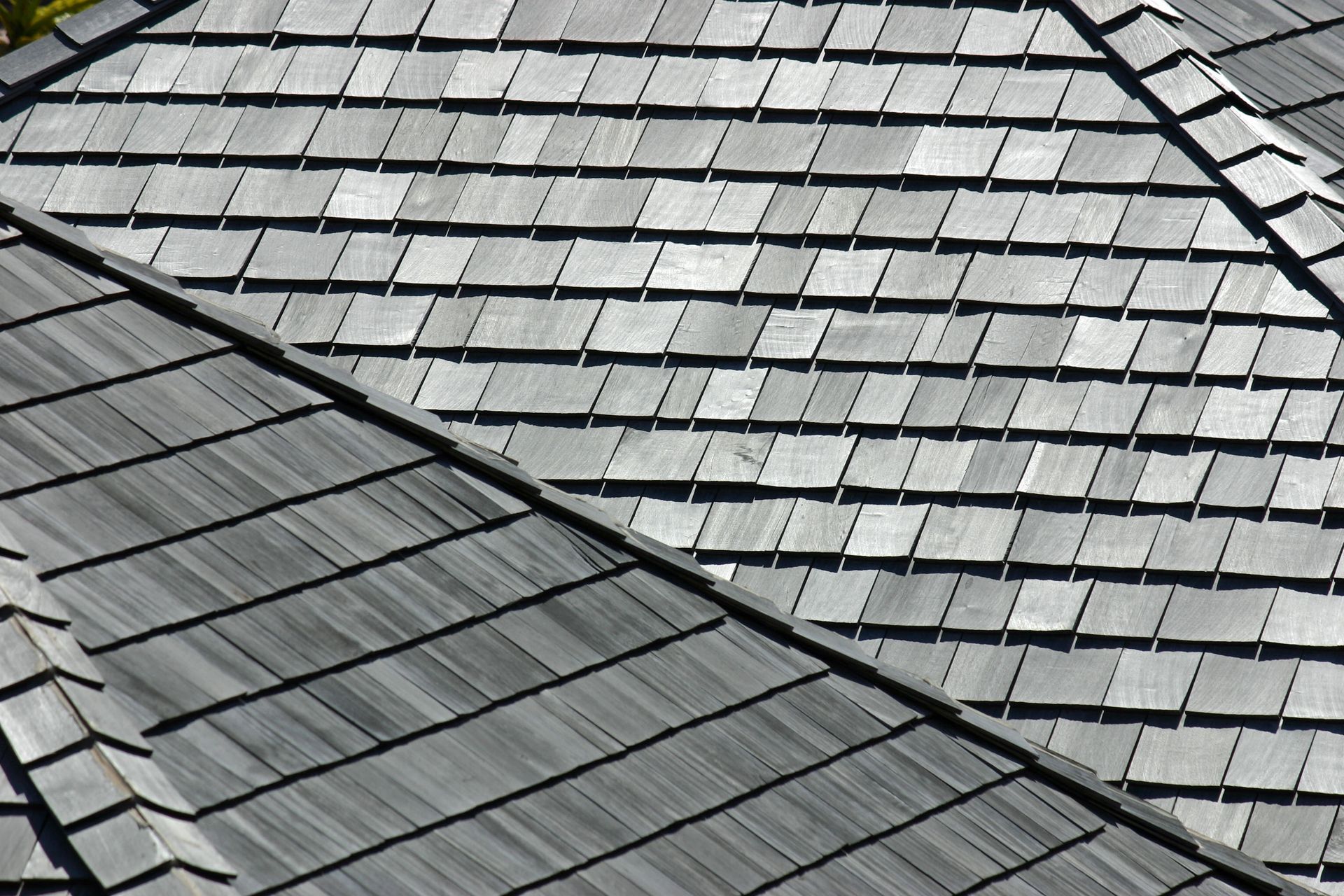
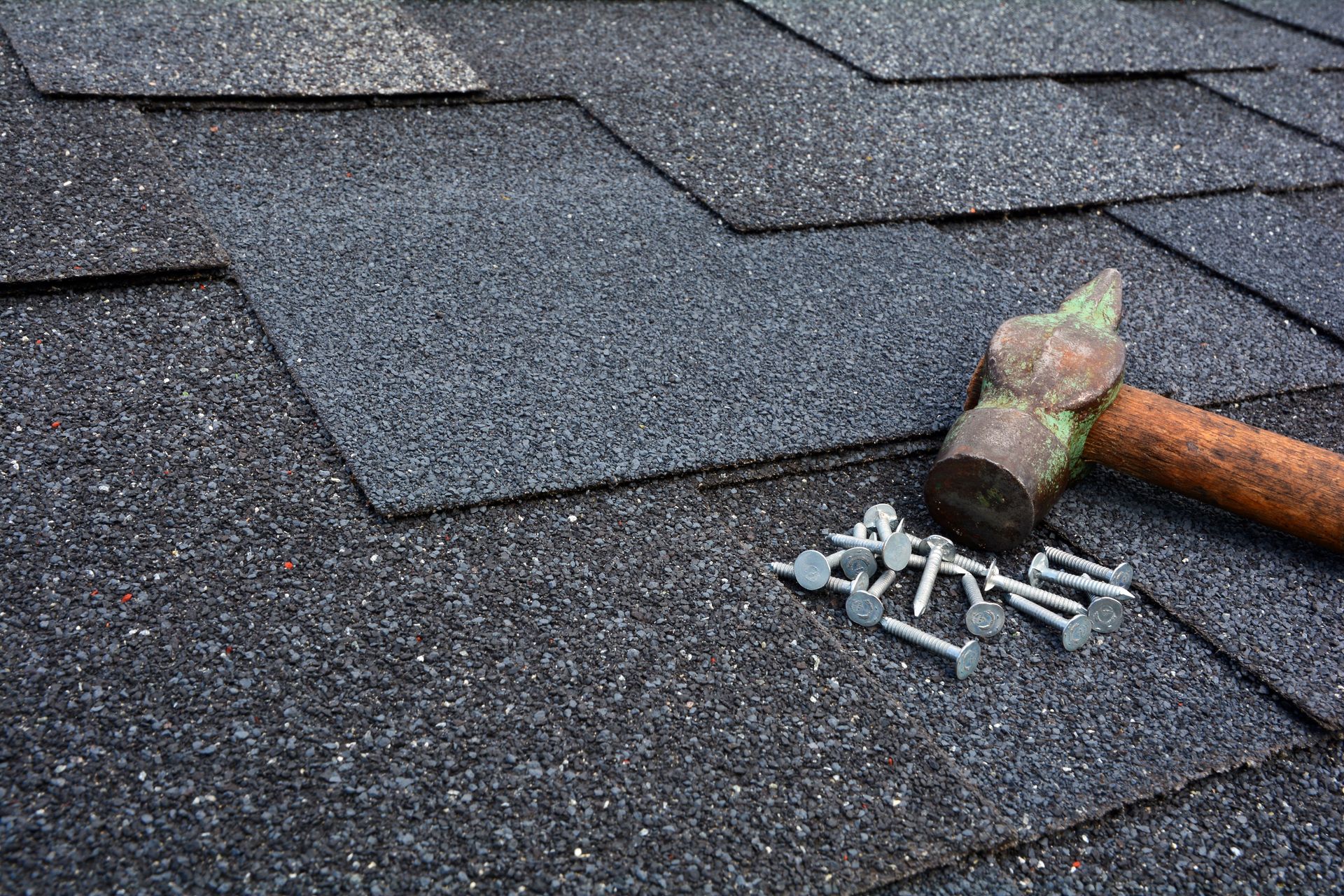
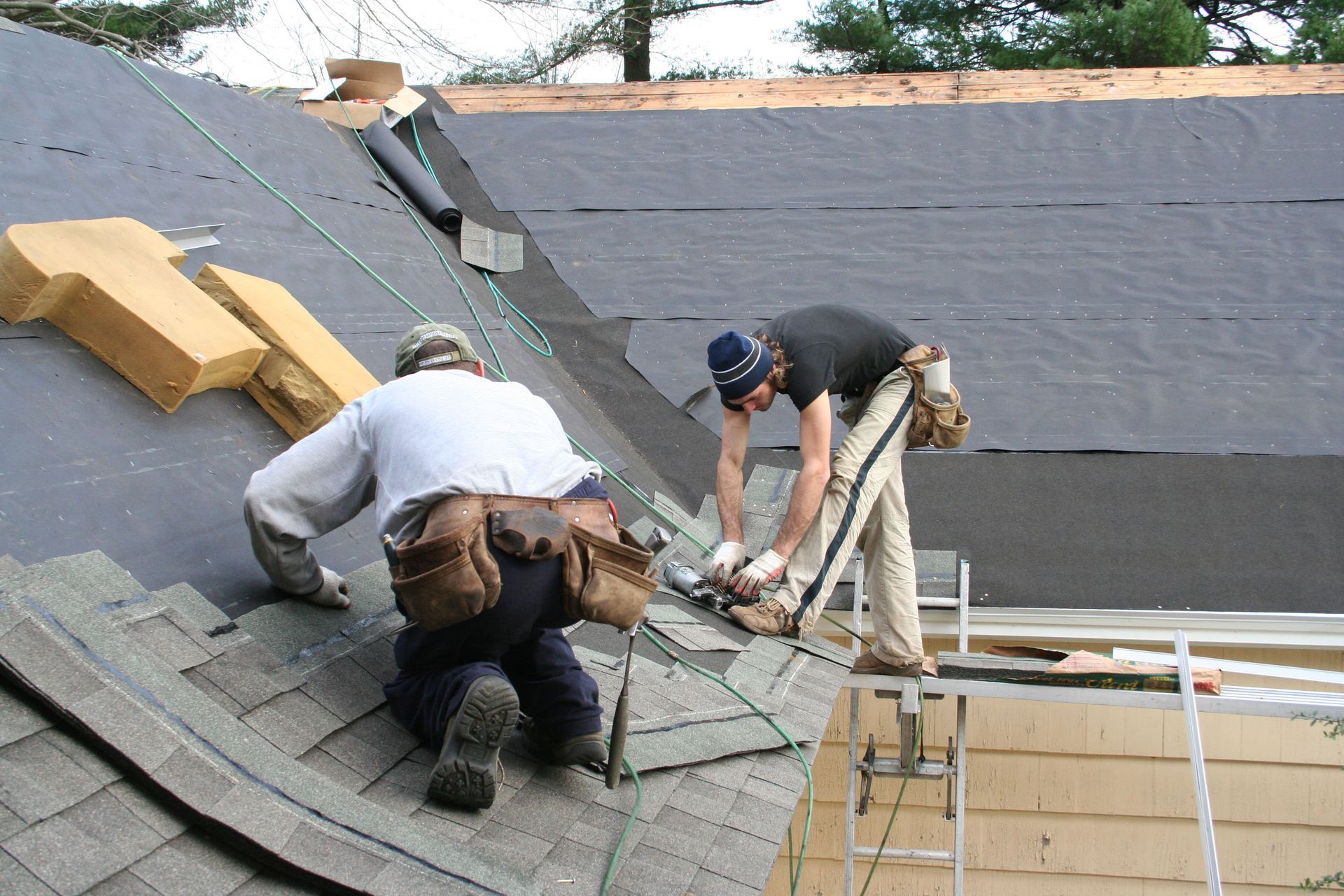
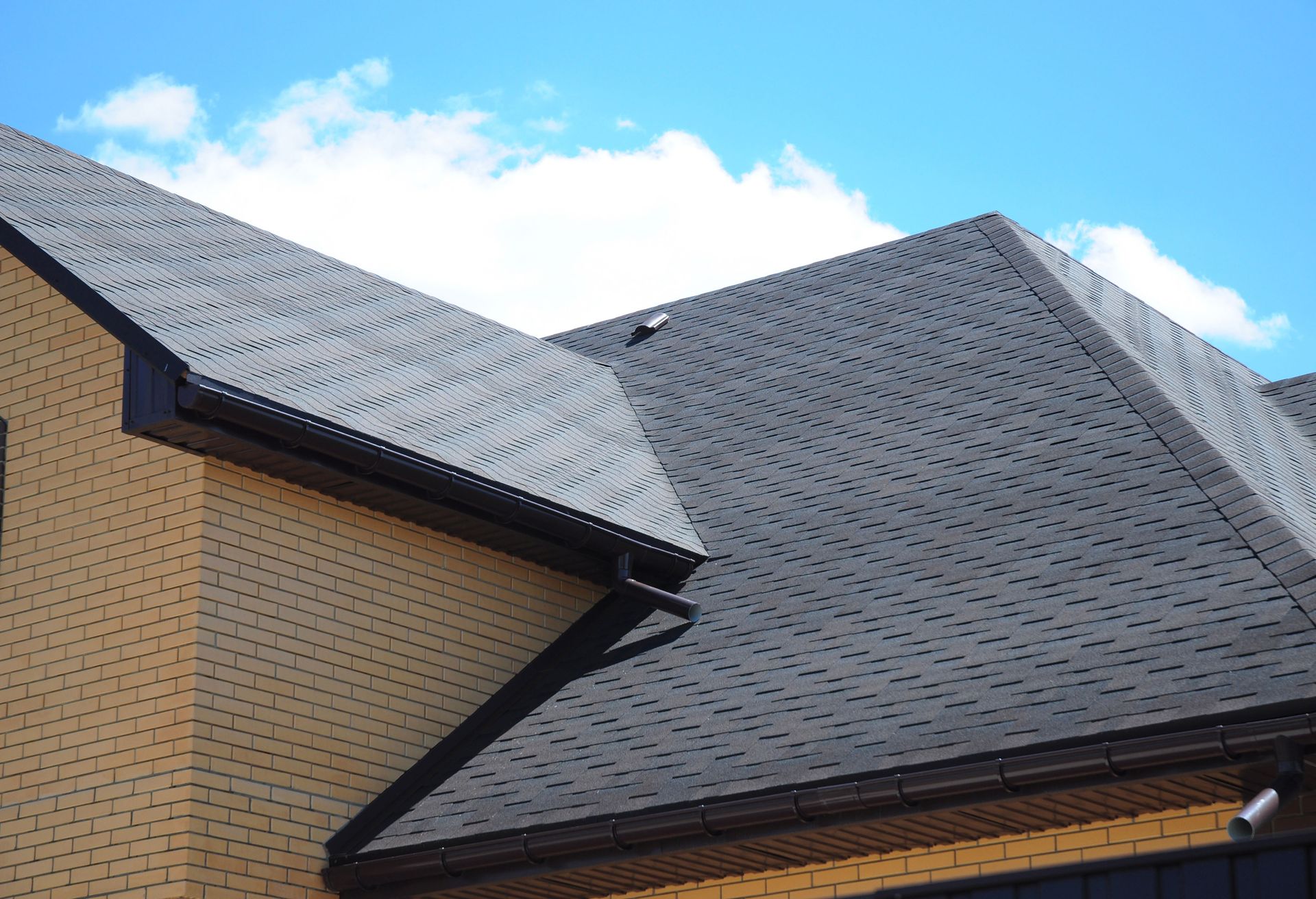
Slate and clay roofing provide authentic Colonial character while offering exceptional durability and weather resistance. Although they are premium roofing materials, an experienced residential roofer can ensure their lifespan can exceed 100 years with minimal maintenance. According to RubyHome, asphalt shingles are used in as many as 80% of roofing projects. They remain a common roofing material because of their affordability and easy installation, making them a staple for any residential roofer.
Comparative Analysis of Material Durability
1. Maintenance Needs for Each Material
Maintenance requirements vary considerably among building materials. Wood benefits from regular sealing and protection against moisture and insects, while brick and stone generally require little upkeep. Glass and steel need periodic cleaning and inspections to maintain appearance and performance. Understanding maintenance needs helps homeowners plan for long-term ownership costs.
2. Weather Resistance and Longevity
Weather resistance is essential when selecting materials. Stone and brick naturally withstand harsh conditions, while concrete and steel are engineered for strength and durability. Wood and large glass installations often require additional protection depending on the climate. Homes in areas with heavy snowfall benefit from roofing and structural materials capable of supporting significant weight, which a skilled residential roofer will take into account during installation. Selecting materials designed for local environmental conditions minimizes repairs and extends the lifespan of the home. In warmer climates, reflective roofing materials recommended by a residential roofer and insulated wall systems can improve energy efficiency while reducing cooling costs.
3. Environmental Impact and Sustainability
Sustainability has become an increasingly important consideration. Renewable materials like responsibly sourced wood generally have lower embodied energy than concrete and steel. Meanwhile, recycled steel, engineered products, and other innovative materials help reduce environmental impact. Considering a material's full lifecycle supports more sustainable construction.
Technological Advancements in Building Materials
1. Innovations in Sustainable Materials
New building materials continue to improve sustainability while reducing environmental impact. Products such as hempcrete, mycelium, and bamboo provide renewable alternatives with strong insulation properties and lower ecological footprints. These innovations offer homeowners more environmentally responsible construction options.
2. Smart Materials for Modern Living
Modern construction increasingly incorporates smart materials that improve efficiency and reduce maintenance. Thermochromic glass, self-healing concrete, and solar-integrated building products enhance energy performance while improving durability. A forward-thinking residential roofer can install these solar elements seamlessly into modern roof designs. These technologies help create homes that better adapt to changing conditions.
3. Prefabrication and Modular Design
Prefabrication and modular construction improve efficiency by reducing waste and shortening build times. Factory-built components provide consistent quality and can be adapted to a wide range of architectural styles. These methods continue to grow in popularity because they support faster, more sustainable construction.
Choosing the Right Materials for Your Home
1. Assessing Personal Style and Preference
Material selection should reflect both architectural style and personal taste. Craftsman homes often emphasize wood and stone, modern homes favor concrete, steel, and glass, while Colonial homes rely on brick, wood, and slate. Choosing materials that align with your vision creates a cohesive and attractive home.
2. Balancing Budget with Quality
Budget plays a major role in material selection. Premium materials like natural stone and slate offer exceptional longevity, while engineered wood and asphalt shingles provide cost-effective alternatives often suggested by a trusted residential roofer. Evaluating long-term maintenance alongside upfront costs helps maximize value.
3. Understanding Climate and Environmental Factors
Climate should always influence material choices. Stone performs well in dry regions, while wood may be better suited to moderate climates. Factoring in insulation, energy efficiency, and local weather conditions helps create a comfortable, durable, and sustainable home.
Selecting the best materials for Craftsman, Modern, and Colonial homes requires balancing appearance, durability, budget, and environmental considerations. By understanding the strengths of each material and incorporating modern innovations where appropriate, homeowners can create beautiful homes that remain functional, efficient, and true to their architectural style.
Taking the time to evaluate both short-term construction costs and long-term performance helps ensure a better return on investment. Quality materials not only enhance curb appeal but also contribute to comfort, structural integrity, and sustainability. With thoughtful planning, homeowners can choose materials that preserve architectural character while meeting the demands of modern living for decades to come.
Share On: